7 Best Instant Pot Rice Pudding Recipes?
Rice pudding is comfort food with a practical twist in the Instant Pot. Rice, milk, sugar, and a little vanilla become a creamy dessert with less stirring than stovetop cooking requires. The best results still depend on small details: rice variety, liquid ratio, pressure release, and how thick you like each spoonful. A rice pudding instant pot recipe can be a useful starting point, but ingredients and appliance models vary.
This collection explores seven approaches, from classic cinnamon-scented pudding to versions with raisins, coconut, or richer dairy. Some recipes aim for a soft, loose texture; others set up thick as they cool. Neither result is automatically better. A quick stir after cooking helps reveal the consistency, while a splash of milk can loosen pudding that has become too firm. Watch the pressure release instructions, too, since foamy mixtures need careful handling. Small steps matter.
Expect useful contrasts, not a single perfect formula. Short-grain rice often creates a tender, creamy texture, while other types may stay more distinct. Sweetness can also feel different once the pudding is chilled. That part is easy to underestimate. The recipes below offer options for weeknight desserts, make-ahead treats, and cozy bowls topped with cinnamon or fresh fruit. Use the suggested timings as guidance, check your cooker’s manual, and adjust thoughtfully. Even a slightly uneven batch can be delicious.
Instant Pot Rice Pudding: Rice Choices and Essential Ingredients
7 Best Instant Pot Rice Pudding Recipes?
Instant Pot Rice Pudding: Rice Choices and Essential Ingredients
Rice selection controls the pudding’s texture, flavor, and cooking time. Short-grain white rice releases more starch, creating a thick, spoon-coating pudding. Arborio rice gives a creamy result but may need extra stirring after pressure cooking. Brown rice adds a nutty flavor and more fiber, yet its bran layer stays pleasantly chewy. USDA FoodData Central lists about 205 calories and 4.3 grams of protein per cup of cooked white rice. Cooked brown rice provides roughly 216 calories and 3.5 grams of fiber per cup. These figures support practical portion planning, not exact recipe nutrition.
Use whole milk for a fuller mouthfeel, or combine milk with water to reduce scorching. Sugar, a small pinch of salt, vanilla, and cinnamon build the basic flavor. Add raisins after pressure cooking if you prefer a softer texture without excessive sweetness. A beaten egg can enrich the pudding, but temper it slowly with hot rice. Otherwise, it may form visible curds. I sometimes add too much cinnamon. The pudding then tastes dusty instead of warm.
Tips: Rinse rice briefly, but do not wash away every trace of starch. Measure liquid carefully, since pressure cooking limits evaporation. Let the pudding rest for ten minutes before judging thickness. It thickens as it cools. USDA FoodData Central values vary by rice type, cooking method, and serving size, so weigh ingredients when accurate nutrition matters.
How to Make a Classic Instant Pot Rice Pudding
7 Best Instant Pot Rice Pudding Recipes?
How to Make a Classic Instant Pot Rice Pudding
Classic rice pudding needs patience, even in an electric pressure cooker. I use short-grain white rice because it releases enough starch for a soft, creamy texture. Rinse one cup of rice until the water looks mostly clear. Add it to the pot with one and a half cups of water and a small pinch of salt.
Cook at high pressure for three minutes, then allow a ten-minute natural release. Open the lid carefully. Stir in three cups of whole milk, one-third cup of sugar, and half a teaspoon of cinnamon. Use the sauté setting and stir often for eight to twelve minutes. Do not walk away. Milk can scorch quickly.
Turn off the heat when the pudding still looks slightly loose. It thickens as it cools. Add one teaspoon of vanilla and a handful of raisins if desired. My first batch became too thick because I cooked it several minutes longer. That mistake taught me to trust the cooling process. Serve it warm with nutmeg, or chill it for a firmer, spoonable dessert. A clean silicone spatula helps scrape the bottom without damaging the cooking surface. For a lighter result, use part milk and part water, though the flavor will be less rich.
7 Best Instant Pot Rice Pudding Recipes: Total Cooking Time
A practical comparison of seven classic rice pudding variations, including pressure-cooking time and natural-release time.
The cooking times shown are suitable planning estimates for common rice pudding ingredients such as white rice, milk, sugar, cinnamon, vanilla, dried fruit, or fruit zest. Natural pressure release helps reduce foaming and produces a creamier texture.
Seven Instant Pot Rice Pudding Variations to Try
Rice pudding becomes especially creamy in an electric pressure cooker, but timing matters. I rinse one cup of short-grain rice, then cook it with water and a small pinch of salt. Ten minutes of natural release keeps the grains tender. I add warm milk afterward, because dairy can scorch under pressure. Stir gently over low heat until the mixture thickens.
The classic vanilla version needs sugar, vanilla, and a little nutmeg.
Coconut mango pudding replaces half the milk with coconut milk and uses diced mango after cooking.
For apple cinnamon pudding, fold in softened apples, cinnamon, and a few chopped walnuts.
Chocolate orange pudding benefits from cocoa powder, orange zest, and dark chocolate stirred in at the end.
Pumpkin pudding uses cooked pumpkin, ginger, and a restrained amount of brown sugar.
Cardamom pistachio pudding tastes fragrant with crushed cardamom and toasted pistachios.
Lemon blueberry pudding needs lemon zest and fresh blueberries added just before serving, so the fruit stays bright.
Keep the consistency loose at first. Rice absorbs more liquid while cooling. I once made mine too thick by waiting ten minutes too long. It was still edible, but not elegant.
Unsweetened milk also gives better control over the final flavor. Taste after cooking, then adjust sugar, salt, or spice gradually. A small spoonful of cream can soften a sharp chocolate version, while toasted seeds add welcome contrast to the fruit variations.
How to Adjust Cooking Time, Texture, and Sweetness
Instant Pot rice pudding becomes reliable when you adjust time, liquid, and sweetness together. For seven adaptable versions, start with rinsed white rice, whole milk, and a small pinch of salt. Cook for 18 minutes on high pressure, then allow a natural release. The pudding may look loose at first. It thickens as it cools.
For a softer texture, add two tablespoons of milk and cook for 20 minutes. For firmer grains, reduce liquid slightly and use 16 minutes. Brown rice usually needs more liquid and longer cooking, but it can make the pudding chewy.
Sweeteners behave differently. Sugar added before cooking blends deeply, while honey or maple syrup added afterward preserves a brighter flavor. USDA FoodData Central reports that 100 grams of cooked white rice provide about 130 calories and 28 grams of carbohydrates, so portion size still matters when adding sugar, cream, or dried fruit. I sometimes over-sweeten warm pudding because heat dulls sweetness. Cooling reveals the mistake.
Tips: Taste after five minutes of cooling. Add cinnamon, vanilla, cardamom, coconut, apple, pumpkin, or cocoa in small amounts. If the pudding becomes too thick, loosen it with warm milk, one tablespoon at a time. For safety, follow the FDA Food Code guidance: cool cooked food from 135°F to 70°F within two hours, then to 41°F within six hours. Rice pudding is forgiving, but not endlessly forgiving.
Serving, Storing, and Reheating Rice Pudding
7 Best Instant Pot Rice Pudding Recipes?
Serving, Storing, and Reheating Rice Pudding
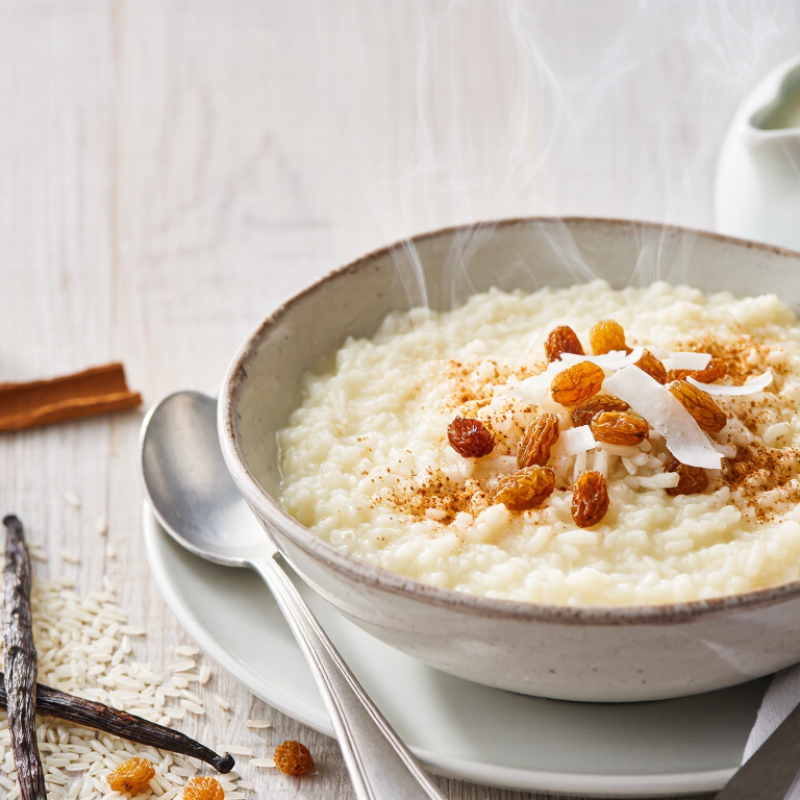
Serve rice pudding warm in shallow bowls, with a soft spoonful of pudding and a light dusting of cinnamon. I prefer serving it within ten minutes of cooking. The texture stays creamy, not gluey. Add fruit, toasted nuts, or a little grated citrus zest just before eating. Chilled pudding also works well, especially in small glass jars for breakfast or dessert.
Food safety matters more than perfect texture. The U.S. Department of Agriculture advises refrigerating perishable leftovers within two hours, or within one hour when temperatures exceed 90°F (32°C). For rice dishes, the Food Standards Agency recommends cooling rice quickly, ideally within one hour, then refrigerating it. Keep the pudding covered and eat it within 24 hours. That rule can feel strict, but cooked rice may support bacterial growth when left warm. I once left a small serving on the counter overnight. It looked fine, but appearance proves very little.
Reheat only the portion you need. Add one or two teaspoons of milk per serving, then warm it gently in a saucepan or microwave. Stir halfway through to soften cold, dense areas. The FDA Food Code recommends reheating cooked foods to 165°F (74°C). Check the center, not just the edges. Reheated pudding can become thick, so adjust it gradually. Do not repeatedly cool and warm the same batch. Freshly made pudding remains safer and usually tastes better.