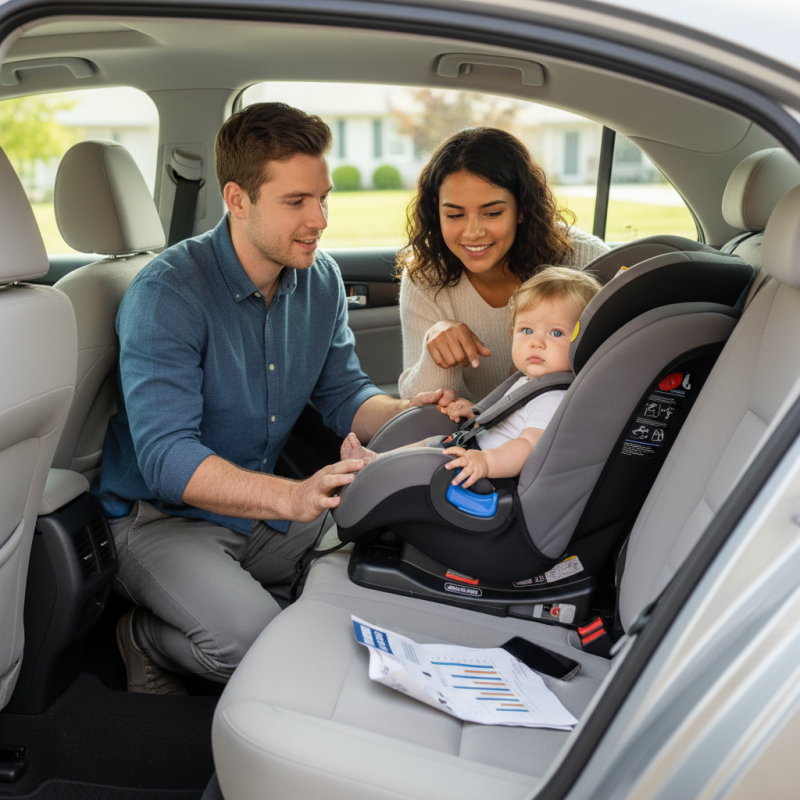
How to Choose the Right Child Car Seat for Your Child?
Choosing the right Child Car Seat is crucial for your child's safety during travel. With many options available, the decision can feel overwhelming. Every parent wants to ensure their little ones are secure and comfortable.
When selecting a Child Car Seat, consider your child's age, weight, and height. These factors determine the appropriate type of seat. Many parents overlook the importance of checking the car seat's safety ratings. It's essential to research and understand which brands excel in safety tests.
A common mistake is assuming that all car seats fit in every vehicle. The reality is that different car models may require specific types of seats. Take the time to test how the Child Car Seat fits in your car. Do not rush into purchasing without considering these details. Your child's safety depends on it.
Understanding the Importance of Child Car Seats in Vehicle Safety
Child car seats are vital for ensuring the safety of young passengers. With millions of vehicles on the road, the risk of accidents is significant. A properly installed car seat can reduce the risk of injury by up to 70%. It serves as a protective barrier, keeping a child secure during sudden stops or collisions. Ignoring this safety measure can lead to dire consequences.
Many parents overlook the importance of choosing the right car seat. It’s not just about having one. Each type serves a specific age group and size. Infants need rear-facing seats, while older children may need booster seats. A mismatch can be perilous. Some parents may feel they have done enough by simply purchasing a car seat, but proper installation and usage are equally crucial. Many parents admit to making mistakes with installation, which is a common oversight.
Child car seats also offer peace of mind for caregivers. Knowing that a child is safely secured allows parents to focus on driving. However, it is essential to regularly check the fit as children grow. Relying solely on the car seat’s brand is not enough. Regularly reviewing safety guidelines can make a real difference. Ultimately, awareness and education are keys to fostering a safer environment for children on the road.
Types of Child Car Seats: Infant, Convertible, and Booster Options
Choosing the right child car seat is essential for safety. There are three main types: infant seats, convertible seats, and booster seats. Each type is designed for specific needs and ages.
Infant Car Seats are suitable for newborns and young babies. They typically face backward and provide better head and neck support. Parents often find them convenient for transferring a sleeping baby from the car. However, they have weight limits and must be replaced as the child grows.
Convertible car seats can be used in both rear-facing and forward-facing positions. This flexibility makes them a popular choice. They can accommodate toddlers as they grow. Nevertheless, some parents struggle with installation. Proper installation is crucial for safety, yet many find it challenging. Booster seats are for older children who have outgrown convertible seats. They elevate the child to ensure proper seatbelt fit. Parents should check if their child is ready for this transition.
It's important to consider your child's age, weight, and height when choosing a seat. Safety ratings and guidelines can be overwhelming. Do your research and ask questions. The right choice can make all the difference in a safe journey.
Key Safety Standards and Regulations for Child Car Seats
When selecting a child car seat, safety should be your primary focus. Various safety standards and regulations are in place to ensure that these seats are effective. In many regions, car seats must adhere to specific guidelines set by child safety organizations. These include crash test requirements and materials that can withstand impact. Not all seats meet these standards, so reviewing certifications is vital.
One important regulation is the age and weight limit for different types of seats. Many parents overlooked this detail, choosing based on appearance rather than safety. Rear-facing seats often provide the best protection for infants. However, some parents hesitate to transition their children to forward-facing seats too soon. This can expose them to unnecessary risks. Research indicates that staying rear-facing longer can significantly enhance safety.
It’s also essential to consider proper installation. Even a top-rated car seat may fail if not installed correctly. Families should familiarize themselves with installation processes. Misplaced seats or loose harnesses can compromise safety. Regularly check to ensure the seat remains secure. Always read the manual thoroughly. It’s easy to cut corners, but the well-being of your child hinges on these small details.
Factors to Consider When Choosing a Car Seat for Your Child's Age and Size
Choosing the right car seat is vital for your child's safety. Each age and size group has specific needs. Infants require rear-facing seats. These seats provide the best support for their delicate necks and spines. It is essential to ensure that the harness fits snugly.
As children grow, their needs change. Toddlers may transition to convertible seats. These can be used rear-facing or forward-facing. A good fit is critical here; too loose and it can be unsafe. It’s not uncommon to see parents struggling with installation details. Double-checking every fitting can prevent future regrets.
Once your child outgrows the convertible seat, consider booster seats. They help position the seatbelt correctly. Keep an eye on your child’s height and weight. Ignoring guidelines can lead to dangerous situations. Reflect on your choices; are they aligned with safety standards? Even small decisions matter greatly in ensuring your child’s protection on the road.
How to Choose the Right Child Car Seat for Your Child?
| Age Group | Seat Type | Weight Range | Height Range | Additional Features |
| 0-2 years | Rear-facing Car Seat | Up to 40 lbs | Up to 40 inches | 5-point harness, Infant insert |
| 2-4 years | Forward-facing Car Seat | 20-65 lbs | 30-49 inches | Adjustable headrest, Side impact protection |
| 4-8 years | Booster Seat | 30-100 lbs | 38-57 inches | Seat belt positioning, Extra padding |
| 8+ years | Seatbelt Seat | Over 80 lbs | Over 57 inches | Standard seat belt use |
Installation Tips and Best Practices for Ensuring Maximum Safety
Choosing the right child car seat is just the beginning. Proper installation is crucial for ensuring safety during every ride. According to the National Highway Traffic Safety Administration (NHTSA), nearly 60% of car seats are installed incorrectly. This alarming statistic underscores the need for careful attention to installation practices. Each car seat comes with specific instructions. Following these can significantly enhance safety.
One key practice is ensuring that the seat is tightly secured. A proper installation should have little movement when tested. You can check this by pulling the seat at the base. If it moves more than an inch side to side or front to back, it may not be secure. Also, consider the angle of the seat. Many infant car seats have an angle indicator. Positioning the seat at the correct angle prevents the child from slumping, which can affect breathing.
Regularly checking the seat is essential. Over time, straps can loosen, and seats can displace. Parents should reassess the installation every few months. A visual inspection can identify potential hazards, such as frayed straps or cracks in the seat. Addressing these issues promptly can prevent dangerous situations. Focus on proper installation to provide the safest possible environment for your child.
Child Car Seat Safety Ratings by Type
This chart represents the safety ratings of various types of child car seats based on expert evaluations. Higher ratings indicate better safety performance. When choosing a car seat, consider both the type and the safety score to ensure maximum protection for your child.