What Are Fagor Pressure Cooker Parts and Where to Buy?

Finding the right fagor pressure cooker parts can turn a frustrating repair into a practical kitchen rescue. A worn gasket, loose pressure regulator, or cracked safety valve may stop the cooker from sealing correctly. Some problems are small. Others require careful attention.

Laura Pazzaglia, a pressure-cooking educator and founder of Hip Pressure Cooking, says, “The gasket is the heart of a pressure cooker.” That simple observation matters. The gasket sits beneath the lid, where heat, pressure, and repeated washing gradually weaken it. I have seen older cookers appear clean while their rubber seals felt stiff and flattened. That detail is easy to miss.

This guide explains the main Fagor components and how to identify compatible replacements. It covers sealing rings, valves, handles, pressure indicators, lids, and inner pots. Model numbers matter. A part that fits one Fagor series may not fit another, even when both cookers look nearly identical. Check the label, manual, diameter, and original part shape before ordering.

Reliable buying options include Fagor’s official support channels, authorized appliance retailers, and established replacement-parts suppliers. Marketplace listings can help, but photographs alone are not enough. Ask about material, compatibility, return policies, and seller history. I have learned that the cheapest listing may create another problem. A slightly imperfect match can leak steam, waste cooking time, or damage confidence in the appliance. Careful verification is worth the extra minutes.
What Are Fagor Pressure Cooker Parts and Where to Buy?

Understanding Fagor Pressure Cooker Parts and Their Functions

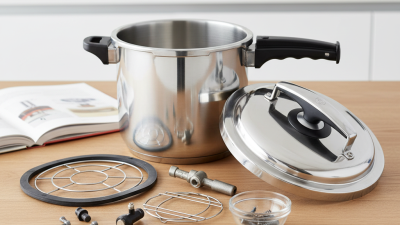
Pressure cooker parts are small, but each one controls safety, pressure, or cooking consistency. The sealing gasket creates an airtight barrier around the lid. Over time, it may become hard, stretched, or cracked. A pressure regulator controls steam release, while the safety valve provides backup protection if pressure rises unusually. The anti-block shield also matters because food particles can obstruct the steam path. The inner pot transfers heat, but dents can prevent proper lid alignment.

According to Fortune Business Insights, the global pressure cooker market was valued at approximately USD 5.7 billion in 2023. This growth reflects strong demand for efficient home cooking, but replacement parts still require careful checking. Measure the gasket’s inner and outer diameter. Compare the regulator shape, valve position, and pot capacity. Do not rely on appearance alone. That shortcut can fail.

The U.S. Consumer Product Safety Commission advises following appliance instructions and replacing damaged components before use. I have found that many leaks begin with a neglected gasket, not a broken cooker. Clean the valve with a soft brush, never a sharp tool. Buy from the original manufacturer’s authorized service channel or a reputable appliance-parts supplier. Confirm the model number, production series, and material compatibility. A cheaper seal may fit loosely. That is not a safe bargain.

Identifying Compatible Parts for Different Fagor Cooker Models

Choosing compatible pressure cooker parts requires more than matching a familiar shape. Different models may use gaskets with similar diameters but different thicknesses. Check the model number on the base, handle, or rating label. Write it down before ordering. Small details matter.

I usually compare the replacement part with the old one. Measure the gasket’s inner and outer edges. Inspect its groove, flexibility, and sealing profile. For a pressure valve, compare the stem length and fitting type. Handles need matching screw positions and heat-resistant materials. Electric models also require the correct voltage and connector layout. A part that fits physically may still be unsuitable.

Parts diagrams and user manuals provide stronger evidence than marketplace photographs. Look for model-specific listings and clear measurements. Sellers should identify supported model codes, material details, and return conditions. Avoid relying only on words like “universal” or “fits most.” They can be vague. I once assumed two lids were interchangeable because they looked identical. The locking tabs differed by only a few millimeters. That mistake changed my view of quick purchases. When details remain unclear, contact the seller with photographs and exact measurements. Never force a lid, valve, or seal into place. After installation, check the cooker while empty and inspect for leaks before normal use.

What Are Pressure Cooker Parts and How Can Compatibility Be Checked?

Replacement parts should be matched by cooker size, lid design, mounting pattern, pressure rating, and physical measurements. The chart shows the main compatibility checks typically required for each common part.

Replacing Common Fagor Pressure Cooker Components Safely

Pressure Cooker Parts: Replacing Common Components Safely

A pressure cooker depends on a few small parts to control heat and pressure. The sealing ring, pressure valve, safety plug, lid handle, and pressure indicator need regular inspection. Before buying replacements, record the cooker’s model, capacity, and part measurements. Similar-looking components may not fit safely. Check the instruction manual or a qualified parts supplier for compatibility. Avoid generic pieces without clear material and safety information.

Replace a sealing ring when it becomes hard, cracked, stretched, or permanently stained. Wash the lid and valve openings before installation. The new ring should sit evenly inside its channel, without twists or loose sections. A blocked valve can be dangerous, so never clear it with a sharp object. Let the cooker cool fully, then release pressure according to the manual. Never force the lid open.

After replacing a part, perform a water-only test. Watch for steam escaping around the rim, unusual hissing, or a pressure indicator that fails to rise. Stop using the cooker if anything seems wrong. I have found that rushing this test creates false confidence. That lesson is easy to ignore. Use only heat-resistant, food-contact-safe components from a traceable seller. Keep purchase records and installation dates, because small details can reveal recurring wear.

Where to Buy Genuine and Compatible Fagor Replacement Parts

Finding the right replacement part for a pressure cooker requires more than matching its appearance.

Common parts include sealing gaskets, pressure valves, safety plugs, handles, and replacement lids. Genuine parts usually provide the closest fit and material specifications for older models. They are often available through the manufacturer’s official parts department or authorized service centers.

Compatible parts can cost less, but quality varies between suppliers. Choose sellers who publish exact model numbers, measurements, materials, and return policies.

A gasket should sit evenly in the lid groove, without twists or loose sections. A valve should move cleanly and match the cooker’s pressure rating.

Do not rely on a photograph alone. I once underestimated a two-millimeter difference, and the part looked correct but sealed poorly. That small detail matters.

Tips:

Record the model number before shopping.

Photograph the old part from several angles.

Check the product description for food-safe materials and size details.

Replace worn seals instead of stretching them.

If the lid, valve, or safety mechanism remains uncertain, ask a qualified repair professional.

Online reviews help, but they cannot replace accurate measurements.

Some compatible parts work well; others may need minor fitting, which is not always acceptable for pressure equipment.

Keep the receipt and installation instructions until the cooker operates correctly.

How to Check Part Quality, Fit, and Seller Reliability

Pressure cooker parts include sealing rings, pressure valves, safety plugs, handles, and replacement lids. Each part affects safe operation. A soft, cracked gasket may leak steam around the lid. A blocked valve can prevent normal pressure release.

Check the cooker’s model number, capacity, and lid shape before ordering. Measure the old sealing ring across its inner diameter, but do not rely on size alone. Thickness and groove design also matter. The replacement should sit evenly without stretching, folding, or leaving gaps. I once trusted a similar-looking ring and noticed steam escaping after several minutes. That mistake showed me that appearance is not enough.

Quality needs closer inspection. Look for heat-resistant, food-contact-safe materials and clean, smooth edges. Avoid parts with strong chemical odors, uneven molding, or unclear specifications. Valves should move correctly, but they should not feel loose. Sellers appear more reliable when they provide exact measurements, material details, installation guidance, and clear return terms. Recent reviews with photos are useful, especially when buyers mention fit after repeated use. A low price is not proof of value. A high price is not proof of quality either. Keep the receipt and compare the part with the manual before installation. If the lid does not close normally, stop testing it under pressure. Never force it.