
What Is Polyester Sleepwear and Why Is It Popular?

Polyetser Sleep Wear refers to nightwear made mainly from polyester, a synthetic fiber produced from polymer-based materials. It appears in pajamas, robes, shorts, camisoles, and lightweight lounge sets. The fabric often feels smooth against the skin. It also dries quickly after washing.

Its popularity is practical, not mysterious. Polyester fibers resist wrinkles, hold color well, and maintain shape after repeated laundering. These qualities suit busy households and budget-conscious shoppers. A polyester pajama set can emerge from a warm wash, dry within hours, and still look presentable. That convenience matters.

The Textile Exchange Materials Market Report 2024 identifies polyester as the world’s most widely produced fiber. Its continued dominance reflects affordability, performance, and large-scale manufacturing capacity. The report also highlights a difficult issue: most polyester still comes from fossil-based feedstocks, while recycling remains limited compared with total production. Comfort has a cost.

Claire Bergkamp, former chief executive of Textile Exchange, stated, “We need to move from a linear to a circular system.” Her comment gives this topic wider meaning. Polyetser Sleep Wear can provide softness, stretch, and durability, but product quality should not be judged by comfort alone. Fiber content, breathability, finishing chemicals, recycled content, and end-of-life options also deserve attention.

Some polyester fabrics may feel warm or clingy in humid bedrooms. That depends on fabric weight, knit structure, and personal sensitivity. A lighter, moisture-managing design may perform better than a thick, low-quality version. The label tells part of the story. Not all of it. This guide examines why polyester sleepwear remains popular, where it performs well, and where shoppers should think more carefully.
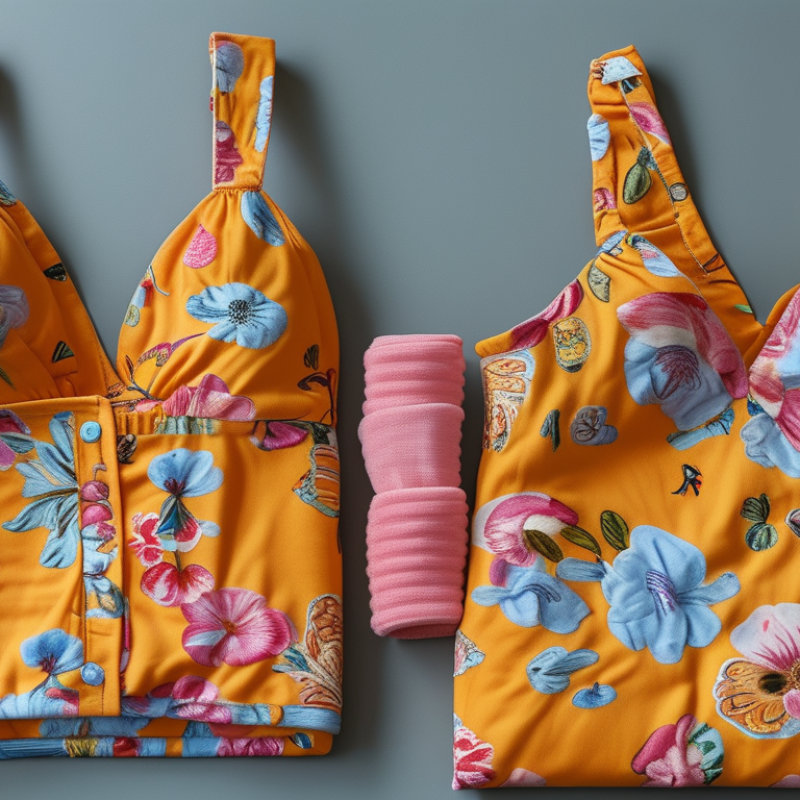
What Is Polyester Sleepwear and Why Is It Popular?

What Is Polyester Sleepwear?

Polyester sleepwear is nighttime clothing made from polyester fibers, a synthetic material often produced from petroleum-based chemicals or recycled plastic. Manufacturers knit or weave these fibers into pajama sets, nightshirts, robes, and lightweight loungewear. The fabric can feel smooth, soft, or slightly crisp, depending on its construction and finish. It does not mean one identical texture. Fiber thickness matters.

Many people choose it because polyester is light, durable, and usually resists wrinkles. It dries quickly after washing, which helps when sleepwear is changed frequently. Some fabrics also move moisture away from the skin. That benefit varies. A tightly woven polyester garment may feel warm and less breathable in humid bedrooms. Loose knits can feel more comfortable, but they may develop pills after repeated friction.

From a practical clothing perspective, comfort depends on more than fiber content. Room temperature, garment looseness, seam placement, and personal skin sensitivity all matter. Polyester may create static or trap heat for some sleepers. It can also retain odors if washed poorly. A cool wash, mild detergent, and complete drying usually help, though care labels should guide the process. A thoughtful buyer should check the fabric blend and touch the inside seams. Soft is not a guarantee. Some sleepers still prefer cotton or another fiber after testing polyester for several nights.

How Polyester Fabric Is Made and Used in Sleepwear

What Is Polyester Sleepwear and Why Is It Popular?

Polyester sleepwear is made from synthetic fibers derived mainly from petroleum-based chemicals. Manufacturers combine ethylene glycol and terephthalic acid through polymerization. The result is a solid plastic material called polyester polymer.

Workers melt this polymer into thin streams through tiny spinneret holes. These streams cool into continuous fibers. The fibers are stretched, heated, and sometimes textured for softness or added stretch. Manufacturers then knit or weave them into sleepwear fabric. Some fabrics receive finishes that improve drying speed, smoothness, or resistance to wrinkles.

It dries quickly.

This production method makes polyester sleepwear durable, lightweight, and relatively affordable. It also holds printed designs well after repeated washing. In my experience, the fabric feels practical during travel because it dries overnight. However, it may feel warm or less breathable in humid rooms. Some people also notice static or cling.

Tips: Check the care label before washing. Use cool water and a gentle cycle to protect the fibers. Avoid excessive heat, which can damage fabric finishes or shape. Choose a loose weave for warmer climates. A blend with cotton or another breathable fiber may feel more comfortable. Personal comfort matters, and polyester is not ideal for everyone.

Key Features of Polyester Sleepwear

What Is Polyester Sleepwear and Why Is It Popular?

Key Features of Polyester Sleepwear

Polyester sleepwear uses synthetic fibers designed for durability, lightness, and easy care. The fabric usually resists wrinkles, so pajamas look tidy after a crowded drawer or quick wash. It dries quickly. This helps during travel, humid weather, or frequent laundering.

Many polyester fabrics feel smooth against the skin. Some include stretch fibers, allowing easier movement when turning in bed. A well-made pair should have flat seams, a flexible waistband, and breathable panels where heat collects. Fabric weight also matters. Lightweight polyester may feel cool, while thicker versions can hold warmth. Moisture-wicking finishes can move sweat away from the skin, but performance varies by weave and construction.

In practical use, polyester sleepwear keeps its color and shape better than many delicate fabrics. I have found it useful after evening showers because it becomes wearable again quickly. However, it can trap heat, build static, or retain odors when ventilation is poor. Not all polyester feels the same. A tightly woven garment may feel warm, while a mesh-like design may feel cooler. Checking the care label helps protect the fibers; very high heat can damage softness and elasticity. Personal comfort remains important, since sensitive skin may respond better to a softer blend or looser fit.

Benefits and Drawbacks of Wearing Polyester at Night

What Is Polyester Sleepwear and Why Is It Popular?

Polyester sleepwear is made from a synthetic fiber produced from petroleum-based polymers. It feels smooth, weighs little, and often keeps its shape after repeated washing. These qualities make it practical for pajamas, lounge sets, and travel clothing. Polyester also dries quickly, which helps when sleepwear is washed at night and needed the next morning. Some fabrics use a loose weave or special finish to improve airflow and moisture movement.

The trade-off is easy to miss. Polyester does not absorb sweat as effectively as cotton, linen, or some regenerated fibers. On a warm night, moisture may remain against the skin, creating a clammy feeling. Heat can build under a close-fitting top. That discomfort may disturb sleep, especially for people who naturally sweat or live in humid rooms. Polyester can also hold odors when body oils and detergent residue collect in the fibers. Static electricity is another small but noticeable problem.

Skin sensitivity varies. A person with eczema or easily irritated skin may react to dyes, finishes, or trapped perspiration rather than polyester itself. Washing new sleepwear before wearing it can remove some surface chemicals and loose fibers. Choosing a relaxed fit, lightweight fabric, and breathable construction may help. Still, “moisture-wicking” does not always mean cool. Fabric labels can sound more impressive than the actual bedtime experience. A cooler room may matter more than the fiber alone.

What Is Polyester Sleepwear and Why Is It Popular?

Polyester is a synthetic fiber commonly used in sleepwear because it is lightweight, durable, wrinkle-resistant, and quick-drying. Its low moisture regain helps explain both its fast-drying performance and its lower absorbency compared with natural fibers.

How to read the chart: Moisture regain is the percentage of moisture a fiber naturally absorbs from humid air under standard textile-testing conditions. Polyester absorbs very little moisture, so polyester sleepwear generally dries quickly. However, it may feel less absorbent than cotton or wool, especially for people who sweat at night.

Potential Benefits

  • Lightweight and durable for frequent washing
  • Dries faster than high-absorbency fibers
  • Resists wrinkles and keeps its shape well
  • Can be engineered into smooth, breathable, or stretch fabrics

Potential Drawbacks

  • Lower moisture absorption may feel less comfortable for heavy sweaters
  • Warmth and breathability depend strongly on fabric weave and thickness
  • Some polyester fabrics can retain body odors more than absorbent fibers
  • May contribute to microfiber shedding during washing

How to Choose and Care for Polyester Sleepwear

Polyester sleepwear is popular because it is light, durable, and usually affordable. Textile Exchange’s 2024 Materials Market Report identifies polyester as the world’s largest fiber category, representing about 57% of global fiber production. Its smooth surface also dries quickly after washing. That helps in humid bedrooms or during frequent laundry cycles.

Choosing polyester sleepwear requires more than checking the fiber name. Look for a breathable knit, loose seams, and a soft inner finish. A lightweight fabric may feel cooler, while brushed polyester can feel warmer against the skin. Check the care label, especially if the garment contains elastane. Try moving your arms before buying. Tight cuffs can disturb sleep.

Care is simple but not careless. Wash polyester on a cool or warm cycle, preferably with similar colors. Use a mild detergent and avoid excessive heat. High dryer temperatures can weaken elastic fibers and create unwanted odor retention. Air-drying on a hanger is gentler. The European Environment Agency reports that synthetic textiles can release microfibres during washing, so washing less often and using lower-impact cycles may help. A laundry bag might reduce shedding, but evidence varies. I would not treat it as a perfect solution. Remove sleepwear when it smells stale, even if the label promises quick drying. Freshness is practical, not cosmetic.

What Is Polyester Sleepwear and Why Is It Popular? — How to Choose and Care for Polyester Sleepwear

General guidance for polyester sleepwear. Always follow the garment’s sewn-in care label because fabric finishes, blends, colors, and construction can change the recommended treatment.
Data Dimension Typical Polyester Sleepwear Information Practical Benefit or Limitation How to Choose or Care for It
Fiber composition Polyester sleepwear is made from synthetic polyester fibers, most commonly polyethylene terephthalate (PET). It may be 100% polyester or blended with fibers such as cotton, rayon, or elastane. Fiber blends can change softness, stretch, absorbency, drape, and drying speed. Check the fiber-content label. Choose 100% polyester for quick drying and easy care, or a blend when a softer or more breathable feel is preferred.
Moisture absorption Polyester has very low moisture regain, commonly cited at approximately 0.4% under standard textile-testing conditions. It absorbs less water than many natural fibers, so the fabric usually feels lighter after washing and dries quickly. However, low absorption does not automatically mean that it feels cool or dry against every skin type. For night sweating, look for moisture-management, mesh, or textured constructions that help move liquid across the fabric surface.
Drying performance Polyester fibers generally dry faster than highly absorbent fabrics because they retain relatively little water. Fast drying is useful for frequent washing, travel, humid climates, and households without a tumble dryer. Use a gentle spin cycle and hang or lay the garment flat when possible. Avoid unnecessarily high heat, which can damage fibers or elastic components.
Breathability and thermal comfort Comfort depends on yarn size, knit or weave structure, fabric weight, fit, ventilation, and any moisture-management finish—not only on the word “polyester.” Lightweight, loose, and well-ventilated polyester can be comfortable, while dense or non-breathable fabric may feel warm or clammy for some sleepers. Choose lightweight knits, relaxed cuts, and ventilated panels for warm rooms. Choose brushed or heavier fabrics for cooler conditions.
Durability and shape retention Polyester is generally resistant to stretching, abrasion, and repeated washing, and it commonly retains its shape well. It can provide a long service life when washed and dried correctly. High heat, rough abrasion, and sharp fasteners can still cause pilling or surface damage. Turn garments inside out, wash with similar soft items, and avoid washing them with rough fabrics or items with exposed zippers.
Wrinkle resistance Polyester fabrics usually wrinkle less than many untreated cellulosic fabrics because the fibers tend to recover their shape. Sleepwear can look neat with little or no ironing, which is convenient for travel and everyday use. Remove the garment promptly after washing, shake it out, and hang it to air-dry. If ironing is necessary, use a low-temperature setting and a pressing cloth.
Static and odor considerations Synthetic fabrics can develop static electricity, especially in dry air. Polyester may also retain oily residues and odor molecules more readily than some absorbent fibers. Static can affect comfort, while odor retention may be noticeable after exercise or heavy perspiration. Wash promptly after heavy sweating, use an appropriate detergent, avoid excessive fabric softener, and increase room humidity during very dry weather.
Recommended washing Many polyester garments can be machine-washed on a cool or warm, gentle cycle, but the exact temperature and cycle depend on the garment. Gentler washing helps protect color, prints, seams, stretch fibers, and surface finishes. Follow the care label, close fasteners, use mild detergent, and avoid chlorine bleach unless the label specifically permits it.
Drying and heat tolerance Polyester can generally be air-dried or tumble-dried at a low temperature when permitted by the care label. Excessive heat may cause glazing, melting, distortion, shrinkage of blended components, or damage to elastic parts and prints. Prefer air-drying or low heat. Keep polyester sleepwear away from direct contact with heaters, radiators, and very hot irons.
Best selection checklist Important specifications include fiber content, fabric weight, knit or weave structure, fit, seam quality, waistband comfort, and care requirements. A technically suitable fabric may still be uncomfortable if it is too tight, too heavy, rough, or poorly ventilated. Prioritize a soft hand feel, flat or covered seams, a non-restrictive waistband, suitable fabric weight, and a care routine you can follow consistently.