
A Clothes Bag is a protective cover designed to store, carry, or organize garments. It usually has a zipper, handles, and enough space for one or more clothing items. Some models fold into a suitcase, while others hang from a closet rod. The shape often reveals its purpose. A long, breathable cover may protect a suit or evening dress. A compact travel bag may hold shirts, trousers, and accessories.
The term is not perfectly fixed. Retailers may use “clothes bag” for garment bags, wardrobe bags, storage sacks, or reusable packing cases. Materials also vary. Cotton and nonwoven fabric allow better airflow, while plastic offers stronger resistance to dust and splashes. However, airtight plastic can trap moisture around damp clothing. That detail is easy to overlook.
Marie Kondo, a Japanese organizing consultant, writes, “The goal of storage is to give every item—a place, a home—a place where it can rest and recharge.” Her observation suits the practical role of a Clothes Bag. It should not merely hide clothing. It should help garments remain clean, smooth, visible, and ready to use. A wedding dress needs different protection from a gym shirt. A wool coat may require space, ventilation, and careful hanging. Check the fabric, zipper, seams, and handle before buying. Small weaknesses matter. A bag that tears beside a suitcase can quickly become useless. The best choice depends on the garment, storage period, travel conditions, and personal habits. There is no universal design. Reliability comes from matching the bag to the clothing.
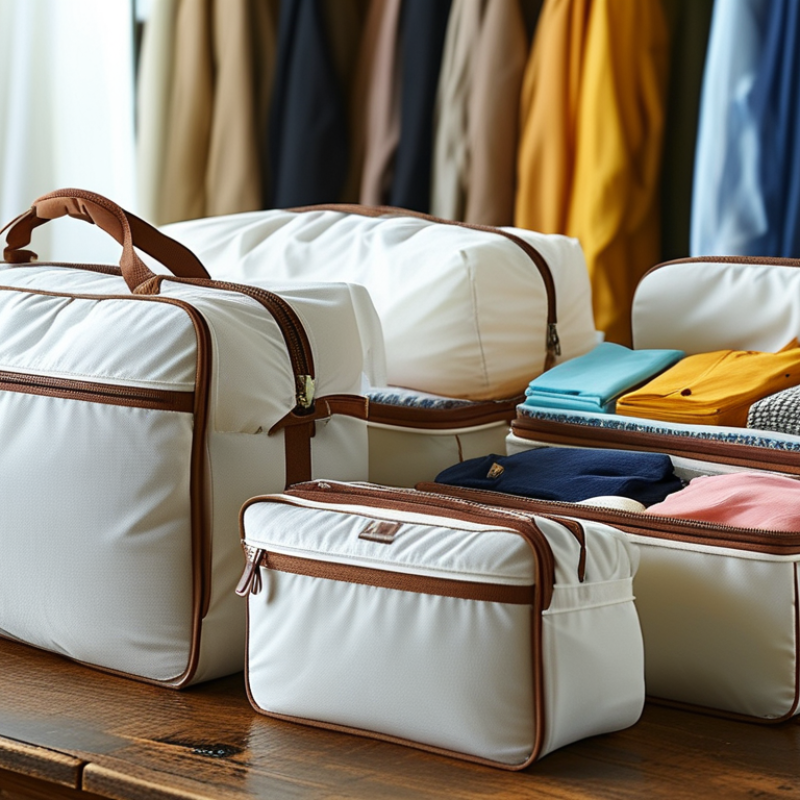
A clothes bag is a fabric or plastic container designed to protect garments during storage or travel. It usually covers shirts, dresses, suits, coats, or other hanging clothing. Its basic purpose is simple: reduce dust, wrinkles, friction, and exposure to light. A well-designed bag may include a zipper, hanger opening, carrying handle, and breathable panels. Fabric bags are often better for regular closet use because they allow limited air movement. Plastic covers can resist moisture briefly, but they may trap humidity over time.
In my experience, a clothes bag works best when the garment is clean and completely dry. Place the item on a suitable hanger, close the bag gently, and avoid overcrowding the closet. A bag protects clothing, but it cannot repair weak fabric or prevent every pest problem. I once stored a slightly damp jacket in a covered bag, and the stale smell lasted for weeks. That mistake changed how I use garment storage.
A clothes bag is a protective container for storing, carrying, or organizing garments. Its design depends on the clothing and travel situation. A garment bag usually has a long, flat shape. It protects suits, dresses, and coats from dust and deep wrinkles. Many include a hanger opening, handles, and breathable fabric panels. A packing cube is smaller and rectangular. It separates shirts, trousers, or underwear inside a suitcase. Its zipper keeps folded items compact, but it may crease delicate fabrics.
Laundry bags have a washable, breathable construction. They keep used clothing away from clean garments during trips. Mesh versions dry quickly and help prevent unpleasant odors. Compression bags remove extra air and create more luggage space. However, excessive compression can flatten knitwear and damage carefully shaped garments. A shoe bag is another useful type. It isolates footwear from clothing and catches dirt from soles.
Tips: Choose the bag by fabric, garment shape, and storage time. Use breathable covers for wool and silk. Avoid sealing damp clothes, even briefly. Check zippers and seams before travel. I once packed a slightly wet shirt in a sealed bag, and the smell lasted for days. That mistake changed how I prepare luggage. A clear label can also save time, especially when several bags look identical.
What Is a Clothes Bag?
A clothes bag is a protective cover for garments during storage, travel, or seasonal changes. Its material affects breathability, strength, and moisture control. Cotton allows air movement and suits wool, linen, and delicate fabrics. Polyester resists tearing and handles frequent transport well. Nonwoven polypropylene offers light protection at a lower weight. Plastic can block dust, but it may trap humidity. That can encourage unpleasant odors or fabric damage.
Design matters as much as material. A full-length bag protects shirts, suits, and dresses from dust and rubbing. Strong zippers reduce gaps around the opening. Transparent panels help identify clothing without repeated handling. Gussets create extra room for structured garments. Ventilation sections may improve airflow, although they cannot solve damp storage. In practical use, a bag protects clothing, but it is not a substitute for a dry wardrobe. I have found that tightly packed garments wrinkle more, even inside a well-designed cover. That detail is easy to overlook.
Tips: Choose a breathable bag for long-term storage. Use a washable cover when dust is the main concern. Keep garments completely dry before covering them. Avoid pressing heavy items against delicate surfaces. Check zippers, seams, and corners for damage. A small moisture absorber can help, but it needs regular replacement. Do not rely on appearance alone; inspect the fabric after storage.
Common clothes-bag materials are compared on a practical 1–5 scale, where 5 indicates stronger performance. Cotton favors breathability, nonwoven polypropylene offers a balance of low weight and protection, polyester resists abrasion and moisture, while transparent PEVA provides the strongest barrier against dust and splashes.
Scale: 1 = limited performance, 5 = strong performance. Ratings represent typical material characteristics and can vary with thickness, weave, coating, and construction.
A clothes bag is a protective covering for garments during travel, storage, or seasonal changes. It may be made from breathable fabric, clear plastic, or a lightweight nonwoven material. The right choice depends on the clothing, storage period, and surrounding humidity. Suits, dresses, coats, and delicate shirts usually benefit from hanging bags. Foldable storage bags work better for sweaters, scarves, and casual clothing.
Use a clothes bag only after garments are clean and completely dry. Even a small amount of moisture can create a stale smell or encourage mildew. Leave space around hanging clothes so air can move freely. Avoid forcing several thick garments into one bag. I once stored a jacket too tightly, and its shoulders developed deep creases. That mistake was preventable. A breathable cover is generally safer for long-term storage than sealed plastic, especially in warm rooms. Plastic can still help during short transport, but it should not trap dampness.
Maintenance starts with regular inspection. Check for stains, loose zippers, broken seams, and signs of insects before storing clothing. Follow the care label when washing the bag. If no instructions are available, gently wipe the surface and let it dry in a shaded, well-ventilated place. Do not pack the bag while it is damp. Store empty bags flat or loosely folded, away from direct sunlight. Strong heat may weaken synthetic fibers. I also prefer checking stored garments every few months, although I sometimes forget. That small habit reveals odors, dust, or fabric damage before they become harder to manage.
What Is a Clothes Bag?
A clothes bag protects garments from dust, wrinkles, moisture, and accidental spills. It usually includes a zippered cover, handles, and enough space for folded or hanging clothing. Different designs suit different situations. A lightweight fabric bag works well for short trips and daily storage. A structured bag offers better protection for suits, dresses, uniforms, or delicate fabrics. I once chose a bag that looked spacious, but its narrow opening crushed the shoulders of my jacket. Appearance can mislead.
Choosing the right clothes bag depends on the garment, travel distance, and storage space. For air travel, select a durable bag with reinforced handles and secure closures. A breathable material is useful for closet storage because trapped moisture may create unpleasant odors. Check the measurements carefully. The bag should cover the garment fully without forcing it inside. Interior straps can reduce movement, while exterior pockets keep small accessories nearby. Still, too many pockets may add weight and make the bag awkward to carry. There is no perfect option.
Tips: Measure your longest garment before buying. Test the zipper gently, since rough movement can catch fabric. Choose padded handles for heavier clothing. For delicate items, avoid tightly packing several pieces together. Leave a little room for air. I prefer simpler designs, though that preference is based on use, not appearance. If a bag feels difficult to carry empty, it may become frustrating when packed.
| Clothes Bag Type | Typical Materials | Best For | Approximate Capacity | Main Protection | Advantages | Limitations |
|---|---|---|---|---|---|---|
| Garment Bag | Nonwoven fabric, polyester, or cotton | Suits, dresses, coats, and other hanging garments | 1–5 garments | Dust, light moisture, wrinkles, and closet friction | Keeps garments hanging and ready to wear; easy to store | Offers limited protection against heavy rain or crushing |
| Travel Garment Bag | Polyester, nylon, canvas, or reinforced synthetic fabric | Business trips, weddings, formal events, and short travel | 1–3 outfits | Dust, handling, light water exposure, and folding creases | Often includes handles, a shoulder strap, and interior pockets | Less suitable for large wardrobes or bulky casual clothing |
| Rolling Garment Bag | Polyester or nylon with a structured frame | Frequent travelers carrying formalwear and accessories | 2–5 outfits | Travel abrasion, dust, and moderate impact | Wheels reduce carrying effort; structured design helps limit wrinkles | Heavier and bulkier than a standard garment bag |
| Suitcase-Style Garment Bag | Rigid or semi-rigid shell with textile lining | Long-distance travel and valuable formal clothing | 3–6 outfits | Compression, impact, dust, and limited moisture | Provides stronger structure and more organized packing space | Takes more storage space and may have greater empty weight |
| Breathable Closet Bag | Cotton, linen, or breathable nonwoven fabric | Seasonal storage of wool, cotton, linen, and delicate garments | 1 garment per bag | Dust and surface contact while allowing airflow | Helps reduce trapped moisture and is suitable for extended closet storage | Does not provide strong waterproofing or compression |
| Compression Storage Bag | Polyethylene or multilayer plastic film | Bulky seasonal clothing, bedding, and space-saving storage | Several folded items | Dust, insects, and moisture when properly sealed | Can significantly reduce volume in drawers, closets, or luggage | Not ideal for long-term storage of natural-fiber garments because airflow is limited |
| Laundry or Packing Cube | Nylon, polyester, or mesh fabric | Folded clothing, daily travel organization, and separating clean laundry | 3–10 folded garments | Light dust and item separation | Keeps luggage organized and makes packing or unpacking faster | Does not prevent hanging-garment wrinkles as effectively as a garment bag |